
Birding in Queen Elizabeth national park Uganda : Queen Elizabeth National Park in Uganda offers some of the best birding experiences, making it one of the highlight of any Uganda Safari. The park was classified as an Important Birding Area (IBA) by Birding International and it is the park that offers the largest bird checklist more than any protected area in East Africa given the fact that it is home to over 600 different bird species, of which several are regarded special and unique in the East African region. Central African bird species are also common in the park alongside the Albertine rift species and migratory species. The park established an observatory area in 1997. It was set aside majorly to observe and study resident and migratory bird species in the park.
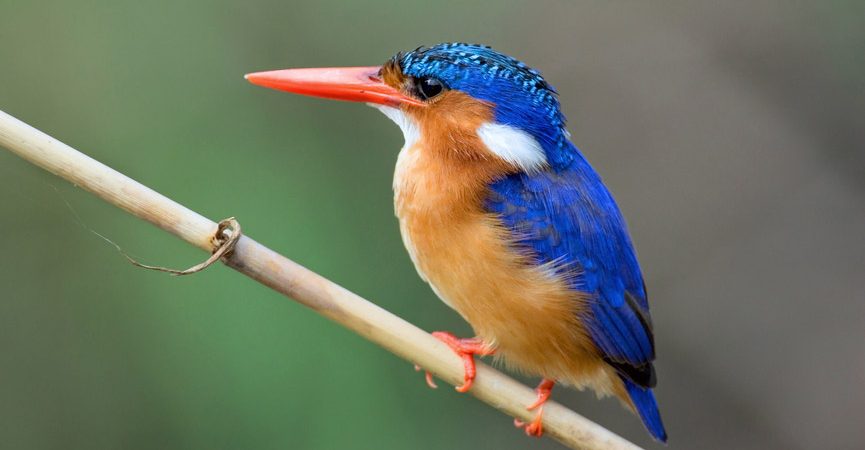
In the case of keen and avid birders, below are the different species of birds found in the different sectors or settings in Queen Elizabeth National Park;
Kasenyi plains
Kasenyi area is a must-see wildlife destination while on a Uganda Safari. This is mainly because it is among the top habitats of the big four African game hence one of the most perfect spots for big game viewing. Despite being among the best game viewing spots in the region, the Kasenyi plains is a birder’s paradise for it’s numerous bird species. The vegetation of the area is dominated by the savannah grasslands dotted with a few spaced trees.
Some of the bird species that should be included on any birder’s checklist while in the Kasenyi Plains include; Hooded Vulture, Palm-nut Vulture, Brown snake Eagle, Lappet-faced Vulture, Bateleur, Martial Eagle, African Crake, African wattled Plover, Crowned Plover, Black-Bellied Bustard, Grey Kestrel, Hooded Vulture, Ruppell’s Griffon vulture, Walhberg’s Eagle, FLappet Lark, White-tailed Lark, Kittlitz’s Plover, Senegal Plover among others.
Maramagambo Forest
The forest is a habitat for over 60 bird species found in the Kicwamba escarpment in the western rift valley. The Maramagambo Forest covers a vast part of Queen Elizabeth National Park and a birding experience in this area, which is carried out by trekking exposes birders to lakes like Kamunzuku and Nyamusingire, which attract certain bird species and different primate species like chimpanzees among others. The different bird species usually seen around Maramagambo Forest include; the Marsh Tchagra, Brubru, Black Bishop, Sulphur-breasted Bush-Shrike, Black Bee-Eater, Barbets, Red-Shouldered Cuckoo-shrike, Blue-Throated Roller, Dark- Capped Warbler among others.
The Mweya Peninsula
The Mweya Peninsula is a popular birding site in the Queen Elizabeth National Park and is located between the Kazinga channel and Lake Edward. It hosts large numbers of tourists. Different bird species that are found on this Peninsula include; the Pygmy King Fisher, African Morning Dove, Raptors, Swamp Nightjar, Little Bee-Eater, Red-Capped Lark, Nubian Wood Pecker, Diederik Cuckoo, Martins, Blue-Napped Mouse Bird, Swifts, Martins, Swallows, Pin-tailed Whydah, Black-headed Gonolek, Lesser Masked Weaver, Slender-billed Weaver, Swamp Flycatcher, Red-chested Sunbird, Scarlet-chested Sunbird, Squire-tailed Nightjar among others.
Ishasha sector Birding
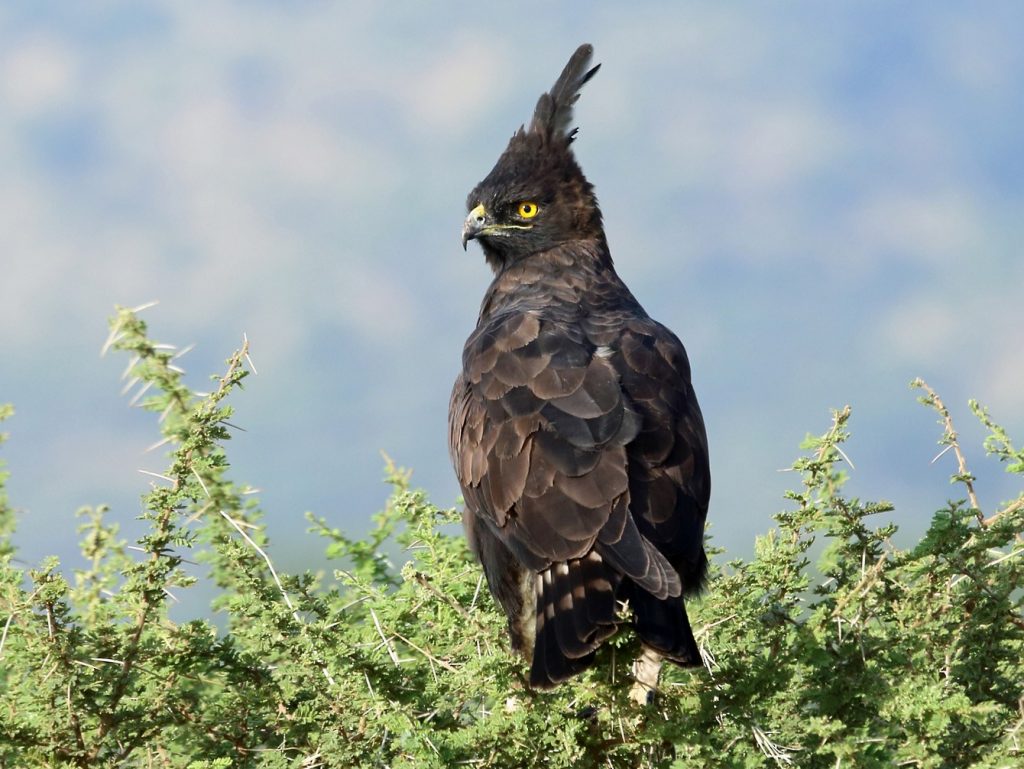
This unique sector of Queen Elizabeth National Park is popularly known and visited for the rare tree-climbing lions. The Ishasha sector is situated on the southwestern rim of Queen Elizabeth National Park in southwestern Uganda. The sector is also a habitat for some bird species in the park such as Palm-nut Vulture, Hooded Vulture, Grey Kestrel, Helmeted Guineafowl, Long-crested Eagle, Black-bellied Bustard, Ross’s Turaco, Broad-Billed Roller, Double-toothed Barbet, Striped Kingfisher, Greater honeyguide, Brown snake Eagle, Grey-backed Fiscal, Green Crombec, Lappet-faced Eagle cisticolas among others.
Birding in Katwe Area
The area is characterized by several small lakes such as lake Munyanyange and swamps which make perfect habitats for the different bird species in the area. The bird species found in the area include; the popular Lesser and Greater Flamingos, Avocet, Montagu’s Harrier, Common Greenshank, Curlew Sandpiper, Southern Red Bishop, African Moustached Warbler, Broad-tailed Warbler, Little Stint, Pallid Harrier, Gull-billed Tern, Eurasian Marsh Harrier, and a Croaking Cisticola among others.
Lake Kikorongo
The lake is known to be home of Waders, which is another name for water birds. The Lake is an extension of Lake George. Commonly seen bird species around Lake Kikorongo include; the Saddle-billed Stork, African Jacana, Sacred Ibis, Shoebill, Common Squacco Heron, Knob-billed Duck, Black Brake, Papyrus Gonolek, Carruthers’s Cisticola, Yellow Wagtail, Lesser and Greater Swamp Warblers, and the White-winged Warblers.
Katunguru Bridge Area
The Katunguru Bridge Area is found at the cross of the Kazinga channel from Kasese district to Rubirizi district. Beneath the Katunguru Bridge, exits a swamp which is a habitat for different bird species such as the Gull-billed Tern, Pink-backed Pelican, Malachite Kingfisher, Pied Kingfisher, Papyrus Gonolek, Carruther’s Cisticola, Lesser and Greater Swamp Warblers among others.
Basic items to carry when going for Birding in Queen Elizabeth National Park?
All avid birders interested in ticking their bird checklists from Queen Elizabeth National Park should remember to carry a few essential items in order to ensure a rewarding birding experience in this particular Game park. These include; A pair of Binoculars, a tour guide, a Birding vest/ pack (Which helps you carry all your equipment comfortably), comfortable footwear, a Brimmed hat, Water Bottle, insect repellant, notebook, and pen among others
Birding as a rewarding activity requires professionalism, passion, and skilled tour guides for a satisfying experience. Journeys Uganda offers some of the most successful bird watching Safaris in the region and birders are advised to book their bird watching Safaris with Journeys Uganda
What is the best time to carry out Birding in Queen Elizabeth National Park?
Birding in Queen Elizabeth National Park can be carried out throughout the year. The best time to visit the park and carry out birding is during the drier months of the year, which are usually from late May to September and June to July. During the wet seasons, some roads and trails get slippery and impassable.
How to get there?
The park can be accessed by either Air or Road means of transportation. By air, one can book a flight from either Entebbe International Airport or Kajjansi Airstrip, which will fly to one of the nearest airfields in Kasese and this takes at most one hour. By road, it takes roughly 7-8 hours from Kampala the capital city of Uganda to Fort portal and its 410 km.