
What to do in Virunga National Park besides gorilla trekking? Virunga National Park is located in the eastern part of the Democratic Republic of Congo in the Goma district, bordering Volcanoes National Park in Rwanda and Mgahinga National Park in Uganda. The park is one of the oldest national parks in Africa and was gazetted in 1925 purposely to protect the wildlife from the increased poaching in Congo. Virunga National Park covers an area of about 8,090 square kilometers, holding a third of the remaining world’s population of mountain gorillas. Virunga National Park is the only national park in the Democratic Republic of the Congo, housing a huge amount of diverse biodiversity and flora.
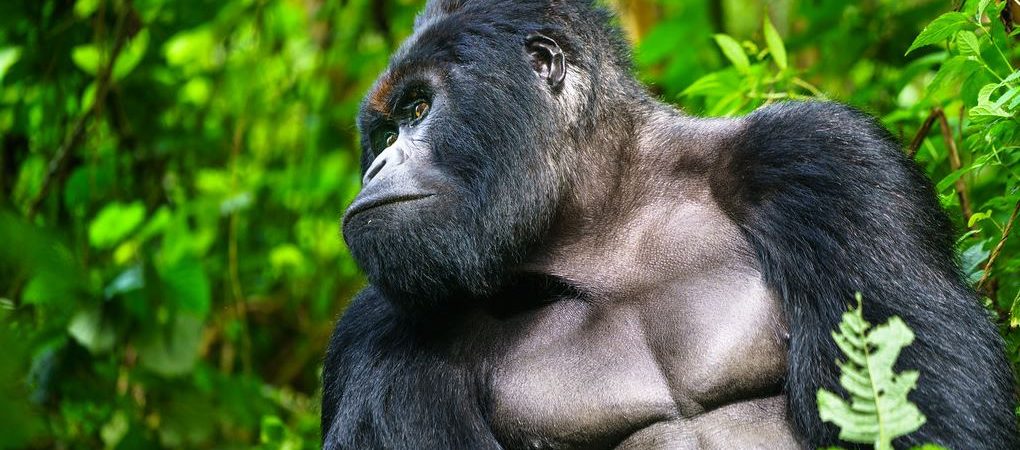
The park is home to the most captivating mountains, such as Mount Nyiragongo, Mount Nyamuragira, and Mount Mikeno, with Mount Nyiragongo being the most magnificent volcano, holding the world’s largest larva. Virunga National Park is home to eight habituated gorilla groups, such as the Kabirizi group, Humba group, Rugendo group, Mapuwa group, Lulengo group, Munyanga group, and Bageni group. The park also boasts stunning vegetation types and animal species such as Congo buffaloes, African elephants, giant forest hogs, hyenas, duckers, bushbacks, and Congo giraffes, among others. This article presents to you the guide to visiting Virunga National Park; this article presents the guide to what you should know before visiting Virunga National Park.
Gorilla trekking in Virunga National Park is the main and most famous activity conducted in the park. Mountain gorillas are prized creatures in every safari in the Democratic Republic of Congo. These fascinating primates can only be found and trekked in three countries in Africa, such as Mgahinga National Park and Bwindi Impenetrable National Park in Uganda, Volcanoes National Park in Rwanda, and Virunga National Park in the Democratic Republic of Congo itself. Trekking with these thrilling primates is a life-long experience because it involves walking through the jungles of the dense forest in search of mountain gorillas in their natural habitat. Virunga National Park is home to over 400 mountain gorillas of over 1000 individuals remaining in the wild. Mountain gorillas in Virunga National Park live in habituation groups of 8 gorilla families, such as the Nyakamwe gorilla family, Bageni gorilla family, Mapuwa gorilla family, Humba gorilla family, Kabirizi gorilla family, Munyanga gorilla family, Rugendo gorilla family, and Lulengo gorilla family. Visitors while on a Congo gorilla trekking trip will have the opportunity to encounter other wildlife species that reside in the forest, such as the eastern chimpanzees, Congo giraffes, buffaloes, elephants, topis, impalas, giant forest hogs, and warthogs, among others, as well as different kinds of birds and stunning vegetation cover.
Trekking mountain gorillas in Virunga National Park is only allowed to people over 15 years old, with a maximum number of 8 people. Once the gorillas are found, you will be allowed to be in their presence for only one hour of interaction, observing how they carry out their daily activities such as feeding, breastfeeding, playing, among others, and taking pictures and videos to take home.
Besides the mountain gorilla trekking, the park also offers a number of thrilling activities to visitors while on a Congo wildlife safari, such as;
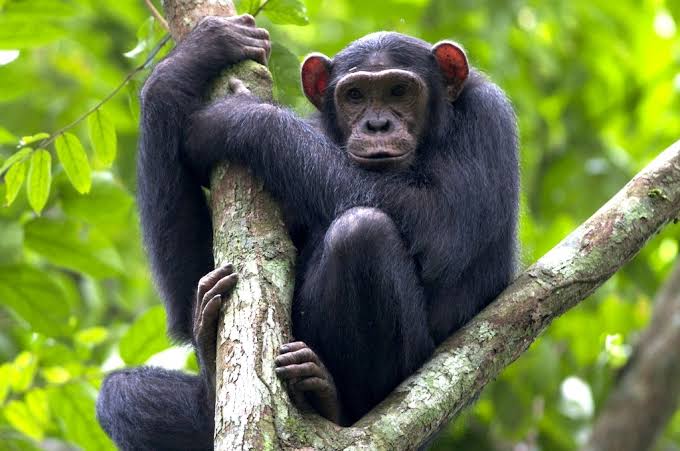
Chimpanzee trekking
Virunga National Park is home to a huge population of chimpanzees, our closest living relatives in the animal kingdom. These intelligent and social primates inhabit the dense forests and montane habitats of the park. Chimpanzee trekking in Virunga National Park offers a rare opportunity to observe these fascinating primates in their natural habitat, in the lush forests and diverse ecosystems of the average Chimpanzee trekking in Virunga National Park normally involves hiking through dense forests in search of habituated chimpanzee groups. Chimpanzee trekking in Virunga National Park is a thrilling guided adventure that takes visitors deep into the heart of the forest in search of habituated chimpanzee groups. Visitors during the hike will get a chance to encounter wildlife in the forest, including monkeys, birds, and small mammals. The chance to observe these animals in their natural habitat adds to the richness of the experience, offering sights into a complex nature experience that lasts for a long time. Upon encountering these fascinating apes, visitors will enjoy listening to all the sounds and signs of chimpanzees in the wild while observing their humanized behaviors, like carrying and breastfeeding their babies, playing, and fighting, among others.
Bird watching
Virunga National Park is one of the best birding destinations in Africa. The park harbors over 706 species of different birds, including a total of 24 endemic species. Bird-watching activities in the park start early in the morning at around 5:00 a.m. when visitors get an opportunity to move on foot in the thick forest of the park to spot these beautiful birds. While in the forest, you will also get the opportunity to meet other thrilling features that make the park their home, such as chimpanzees, mountain gorillas, and different animal species, among others. Some of the sported bird species in the forest include Rwenzori Turaco, Francolins nobilis, Musaphaga, skimmers, shoebill storks, egrets, grey herons, ibises, grey-throated barbet, Grauer’s swamp warbler, alpine swift, African olive pigeon, white-headed woophoopoes, Angolan swallow, Rwenzori batis, tropical boubou, Yellow-rumped Tinkerbird, Yellow-fronted Tinkerbird, Hairy-breasted Barbet, Spot-flanked Barbet, Double-toothed Barbet, and Yellow-billed Barbet, among others
Volcanoes hiking
Hiking in Virunga National Park offers a memorable experience for every hiker. Virunga National Park consists of two stunning volcanoes, such as Nyiragongo and Nyamuragira. Hiking to the Nyiragongo volcanoes is the most thrilling activity; the volcano is home to the world’s greatest larvae. Visitors to Congo hiking safaris to these stunning and captivating mountains will be rewarded with the astonishing view of the magnificent larvae and remarkable views of the amazing lakes with a lot of fumes coming out of Melilite tapeline. Hiking to this fascinating Nyiragongo Mountain takes two days for hikers to reach the summit of the volcano. During the hiking, you will get an opportunity to meet with the prying animals that dwell in the forest, like mountain gorillas, bushbucks, and chimpanzees. Hiking to the Nyiragongo volcano also offers fascinating views of the montane landscape in the neighboring countries of Uganda and Rwanda. The views offer visitors remarkable experiences and magnificent views of the Virunga massive.
Guided nature walks
Guided nature walks in Virunga National Park are one of the most thrilling activities that offer visitors an opportunity to explore the hidden treasures of the park. The nature walks in the park are one way to help visitors connect with nature. Virunga National Park has a lot of well-maintained and thrilling trails that connect visitors to many fascinating tourist destinations. Visitors on guided nature walks in the forest will be rewarded with thrilling primates that make the park their home, such as habituated chimpanzees, mountain gorillas, colorful bird species, and stunning vegetation cover.
Cost of seeing the mountain gorillas in Congo
Mountain gorillas are one of the world’s primates and offer an unforgettable nature adventure once visited. Seeing mountain gorillas in Virunga National Park in the Democratic Republic of the Congo is not as expensive as compared to gorilla trekking in Rwanda or Uganda. The permit fee for gorilla trekking in Virunga National Park in the Congo was $400 per person for non-nationals.
Pack list for gorilla trekking safari tours
While planning to have a Congo safari in Virunga National Park, it is recommended for every visitor to move with the right gear and essentials to ensure their comfort, safety, and enjoyment during the adventure, such as long-sleeved shirts and pants, a lightweight waterproof jacket or poncho, sturdy hiking boots, terrain, a hat with a brim or cap, a water bottle, or hydration.