
Weather And Climate Of Arusha National Park
Arusha National Park is located in the Northern part of Tanzania, standing at an elevated area of about 4566 meters above sea level in the Arusha region. This national park was established in 1960 with the main purpose of protecting and conserving the area because of its wildlife. The park covers an area of approximately 137 square kilometers, making it one of the smallest national parks in Tanzania.
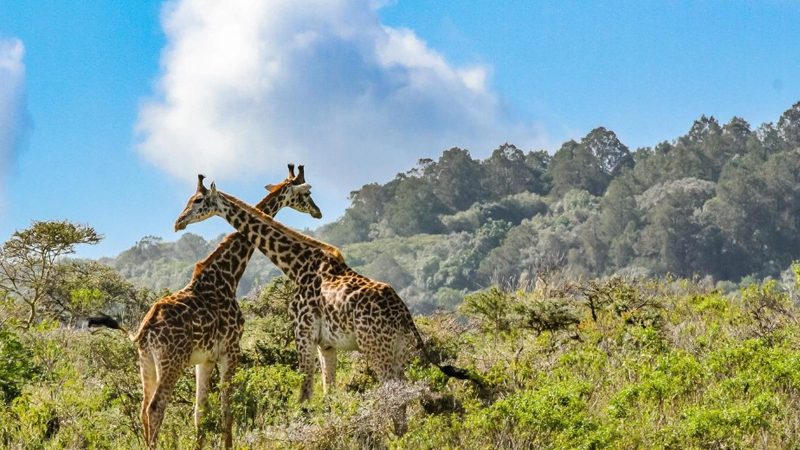
Arusha National Park is ranked among the best destinations to visit during a Tanzania wildlife safari in the northern safari circuit. The park is home to various wildlife species found in its various regions, such as the Ngurdoto Crater along the banks of Momella Lakes, Little Serengeti, and Ujambo Wa Mbogo.
This park is an outstanding birding safari destination in Tanzania, boasting over 400 bird species recorded as living in the park, including forest species, raptors, water birds, and migratory species.
The climate of Arusha National Park is normally pleasant and mild. It rarely gets hot during the day and it is usually cool and cold at night and in the early morning. It is important to pack warm clothing for use in the evenings and on game drives.
The dry season lasts from June to October. The wet season has two main rainy periods: the short rains occur from November to December, and the long rains happen from March to May, with a dry spell in between. During the wet season, afternoon thunderstorms are common, but it’s uncommon for it to rain all day. Arusha National Park includes Mt. Meru, which makes the weather there different, bringing in more rain and clouds than usual for the region.
Dry Season–June to October
In Arusha National Park, the afternoon temperatures typically reach about 19°C (66°F). You can expect plenty of sunshine and clear skies throughout the day.
During the months between June, July, August, and September, expect chilly nights with temperatures dropping to about 9°C (48°F) at the lowest. Occasionally, it can get even colder, nearing freezing. It’s a beneficial idea to dress warmly for the early morning game drives.
In October, Arusha National Park might see the beginning of the short rainy season if the weather decides to come in early.
Wet Season–November to May
However, in the wet season, from November to May, the temperatures are mild, similar to the dry season. Temperatures in the afternoon are usually around 22°C (72°F), while temperatures at night are around 12°C (54°F)
Locals often refer to the weather in November and December as the “short rains.” During these months, you can expect some unpredictable rainfall. However, don’t worry too much about it affecting your safari experience; it doesn’t typically rain all day. You’re more likely to see brief showers in the afternoon.
In January and February, Arusha National Park typically experiences a dry spell between the rainy seasons, although it’s hard to say exactly when the dry spell will happen.
In Arusha National Park, the months of March, April, and May bring what’s known as the ‘long rains.’ During this time, you can expect rain on many days, although it usually doesn’t rain all day. You’ll often see plenty of clouds in the sky.
Frequently Asked Questions About a Tanzania Safari in Arusha National Park
- What can I expect to see during a safari in Arusha National Park?
When you go on a Tanzania safari in Arusha National Park, you can look forward to spotting various animals. You’ll likely see giraffes, waterbucks, dik-diks, duikers, zebras, leopards, lions, spotted hyenas, elephants, bush pigs, red duikers, warthogs, hippos, black and white colobus, blue monkeys, among others.
You’ll also have the chance to sight different bird species such as small grebes, eagles, pochards, geese, hamerkops, red sharks, spur-winged geese, woodpeckers, herons, secretary birds, and grey parrots, among others. The park is also known for its beautiful landscapes, including lush forests and stunning views of Mount Meru.
- What is the best time to visit Arusha National Park?
The best time to visit the park can vary, but many people recommend going during the dry season, from June to October. During this time, the weather is generally pleasant, and the chances of seeing wildlife increase since animals gather around water sources. However, for bird lovers, the best time to embark on a birdwatching tour is during the wet season, which is the rainy months when most of the birds have arrived from different parts of the world.
- How long should I spend in Arusha National Park?
A day is typically sufficient to explore Arusha National Park. Many people opt for a day trip from Arusha city, allowing you to enjoy game drives and perhaps a nature walk. If you have more time, you might consider spending a couple of days fully appreciating the park’s beauty and wildlife.
Please note: Achieve Global Safari provides a suitable package for you for your memorable Tanzania safari in arusha national park. Please take time to check our itineraries to find a suitable package for your safari.
- Do I need a guide for my safari?
While it’s possible to explore the park on your own, having a guide is highly recommended. A knowledgeable guide can offer useful information about the wildlife and plants you encounter, ensuring you don’t miss out on any interesting details about the park’s ecosystem.
- Can I do other activities besides game drives?
Absolutely! In addition to game drives, Arusha National Park offers walking safaris, canoe trips to the Momella Lakes, Bird watching and visits to the Ngurdoto Museum. Other Arusha National Park tourism activities or things to do include visiting different waterfalls that are found inside the national park, such as the cave waterfalls and Tululusia waterfall; visiting the local people in the Arusha region, such as the resident Waarusha tribes and the Maasai tribes; going on a local coffee tour; and visiting Arusha town. These activities provide a unique way to experience the park and get closer to nature.

- What should I bring with me on a safari?
When packing for your safari, it’s essential to bring along binoculars, a high-quality camera, and comfortable clothes suitable for walking. Please keep in mind sunscreen, insect repellent, and plenty of water to stay hydrated during your adventure.
- Are there accommodations near Arusha National Park?
Yes, there are several accommodation options near the park, ranging from budget lodges to luxury safaris. Some of the best accommodation options while on a Tanzania safari in Arusha National Park include Arusha Coffee Lodge, Ngurdoto Mountain Lodge, The African Tulip Hotel, Lake Duluti Serena Hotel, Hatari Lodge, Mvuli Hotel Arusha, L’Oasis Lodge and Restaurant Arusha, Ilboru Safari Lodge, Moyoni Lodge, Zawadi House, Palace Hotel Arusha, Lush Garden Hotel, Shu’mate Camp, and Maasi Giraffe Eco Lodge, among others. Many places offer great access to the park, making it easy for you to get up close to the wildlife.
Feel free to ask any more questions if you’re planning a visit to Arusha National Park with us at Achieve Global Safaris! It’s a beautiful destination that promises unforgettable experiences.