
Cultural Centres in Uganda : Uganda is a country of customs and norms of different cultures and different religions, on a Uganda Cultural safari most people love to have a cultural tour in the country that is one of the reasons as to why most of the people choose to come and have a sight at some of Uganda’s top cultural sites.
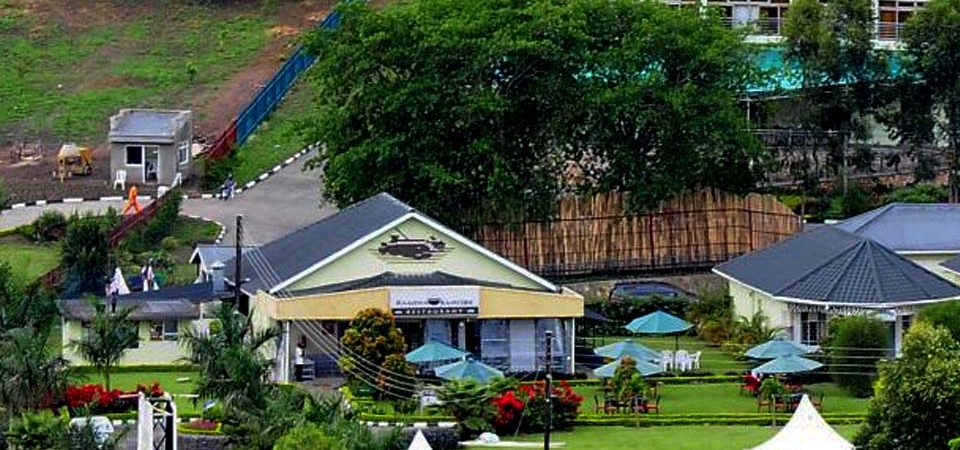
Here are some of the top cultural centers in Uganda that you should not miss to have a stopover at due to the experience they have to offer in the cultural and religion sectors of Uganda
Cultural sites in Uganda
Kings Palace in Mengo and Parliament: The Lubiri or Mengo palace is one of the residents of the Kabaka (King) of Buganda. It has a striking colonial architecture and covers an area of four square miles. The palace was built in 1885 and is hence a great place to go if one is interested in learning more about the history of the Baganda. The current Kabaka no longer uses this palace after it was attacked by government forces during the reign of his father Muteesa II. Visitor is free to visit during the week days, Cultural Centres in Uganda.
kasubi Tombs: The tombs are one of the main treasures of the Kingdom of Buganda and a leading tourism attraction in Uganda. The tombs are found six kilometers away from the city center in Kampala. You can easily reach it from Makerere University using the road to Rubaga and Mengo. The Kasubi tombs are the main burial grounds for the Kings (Kabakas) of Buganda as well as other royals. Four Kings of Buganda are buried in the tombs including Mutesa II, Mwanga II, Daudi Chwa and Mutesa I.

The Wamala Tombs: Apart from the Kasubi tombs, Buganda has other tombs for their earlier kings. The Wamala tombs hold the remains of Kabaka Suuna 11. Kabaka Suuna is remembered as the first Kabaka (King) to allow foreign traders into Buganda. He had over 150 wives who gave birth to 218 children. The Wamala tombs are built on top of a hill with nice surroundings, Cultural Centres in Uganda
The Uganda Museum: The Uganda museum was built to help preserve Uganda’s history. The museum is without doubt the best place to visit if one is interested in learning about Uganda’s history and cultural heritage. This history and heritage is demonstrated through a collection of instruments, artifacts and recordings. The Uganda Museum was first built in 1908 but has undergone a series of renovations in the interior to give it a more modern look. Several instruments and tools are available to describe or demonstrate what Uganda was and is. They include musical instruments, traditional weapons (spears, arrows and bow), drums and archaeological remains to mention but a few.
Katereke Prison Ditch: This ditch is a constant reminder of the brutality of some of Buganda’s Kings. Kabaka Kalema faced opposition from his siblings and decided to do the unthinkable. He captured all his brother and sisters 30 in total and imprisoned them in a ditch until they all starved to death. The Katereke Prison Ditch is a reminder of this difficult time in the Buganda Kingdom and also the savagery Kabaka Kalema.
Namirembe and Rubaga Cathedrals: Namirembe Cathedral is the most prominent cathedral for members of the Anglican faith in Uganda just as Rubaga is to Roman Catholics. The Rubaga cathedral was built in 1880 on top of Rubaga hill while that in Namirembe in 1903 on top of Namirembe hill. Both cathedrals hold the highest offices of the two Christian denominations. It is where their highest ranking Bishops reside. The cathedrals are filled with Christians from around the city and country every Sunday for a chance to pray in the sacred arenas.
Uganda Martyrs Shrine in Namugongo: The Namugongo Martyrs Shrine is one of the most visited religious sites in Africa. Each year on the 3rd of June, millions of pilgrim’s flock the shrine to commemorate the death of 25 Christians of both the Anglican and catholic denomination who refused to give up their faith even in the face of death. In 1886, Kabaka Mwanga II of Buganda ordered the death of many Christians whom he felt had stopped respecting him after converting to Christianity. He found foreign religion a threat to his rule and control over his people. Several Christian from all denominations were brutally killed on the orders of the King in an attempt to stamp his authority. June 3rd is a public holiday in Uganda and both Protestants and Catholics visit their respective shrines to pay homage to the martyrs.
Bigo bya Mugenyi: This cultural site is located deep in Mubende District in a place called Ntusi. Bigo bya Mugenyi means “The Fort of a Stranger”. It is believed that the Bachwezi demi-gods lived in the area hundreds of years ago. They left several artifacts and earthworks that are of cultural importance to local people in the area. The earthworks are believed to have been made in the early 13th Century. This site is very remote and requires real perseverance and patience to get there. The roads to the site are not well paved and can be dusty or muddy depending on the season of the year. Bigo bya Mugenyi will get more visitors in the future if what is there can be preserved, Cultural Centres in Uganda
Kabaka’s Lake: This Lake is found close to the palace in Mengo on the outskirts of Kampala city. The Lake was created on the orders of Kabaka Mwanga II in 1880 to open an escape route through Lake Victoria in case of a civil war. The Kabaka’s lake covers an area equivalent to five acres of land with calm waters that are home to beautiful birds and other wildlife
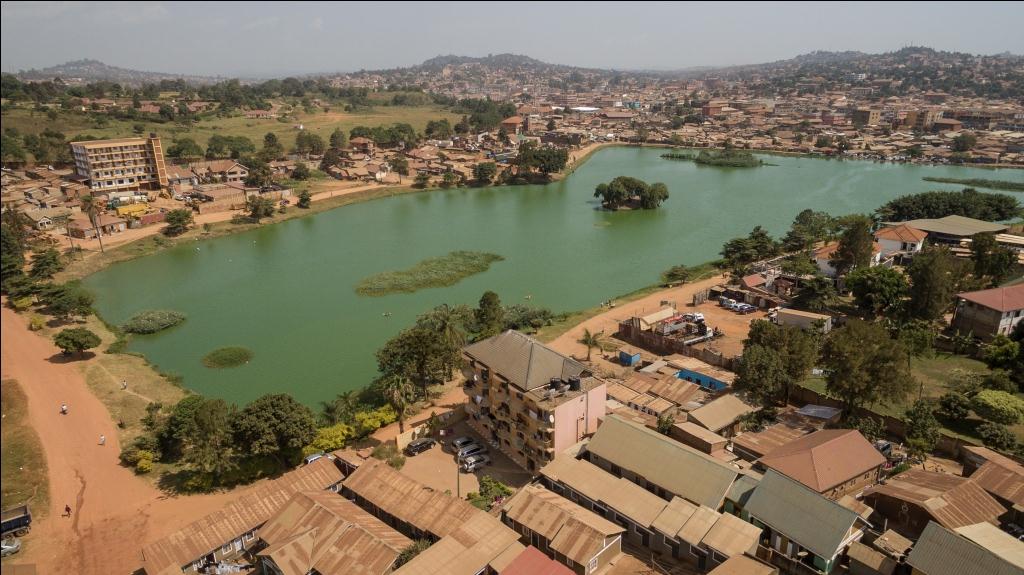
Mparo Tombs: The Mparo Tombs are found in Hoima District – 4 kilometers away in Mparo Division. The tombs are the burial site for the former Kings of Bunyoro. The great Kabalega of Bunyoro who gave the British colonial government a hard time is buried here. Kabalega led a rebellion against the British for a long time as they attempted to control his Kingdom. He was exiled along with Kabaka Mwanga of Buganda to the Seychelles Islands. The Mparo tombs are visited by many local people to seek blessings or honor their former king.
Nkokonjeru Tombs: These tombs are found in Mbarara District in an area called Kakiika. It is the burial ground for two of the previous Omugabes (Kings) of Ankole and other royal family members. Rutahaba Gasyonga II and Edward Solomon Kahaya II are buried in the tombs while 9 other royal graves are positioned outside, Cultural Centres in Uganda
Nakayima Tree: This tree is found in the District of Mubende. It is believed to be over 400 years old and is one of the biggest trees in Uganda. Legend has it that the tree was planted by the wife to a certain Nduhura called Nakayima. People would go to the tree to seek blessings and favor from their gods as they dealt with the challenges of life. People still go to seek blessings from the tree to this day. Tourists can visit this cultural site on their way to Kibale National Park. The main activity is going for a community walk or climbing the hill to see the main shrine. Expect to meet a lot of people at the site who have come to seek for blessings for their children and household. People also bring local beer and animals to sacrifice to the tree. The site is kept running by witch-doctors who are always in a trance, meditating and communicating to the spirits.
Itaaba Kyabanyoro: This site found a short distance away from Mbarara town. The site is important in the history of the Ankole Kingdom as the place where the last ruler (Known as Wamala) of the Bachwezi Empire designed the sacred royal drum known as “Bagyendanwa”. The drum still exists to this day and is one of the revered cultural symbols of the Ankole kingdom. To reach this site, you need to drive along the Mbarara to Kabale road and the stop at Kinoni Rwampara.
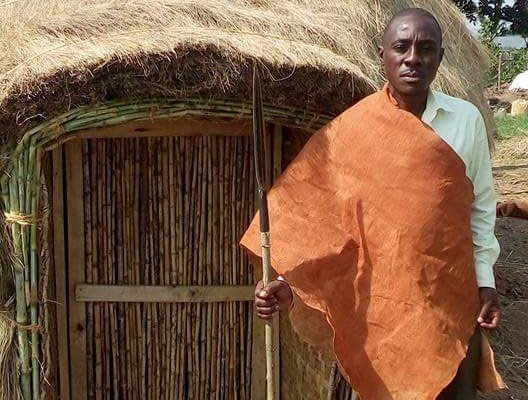
Karambi Tombs: These tombs are found in the town of Fort Portal. The tombs belong to the Kingdom of Tooro. Three Kings of Tooro are buried here – Olumi Kaboyo II, Rukidi III and Kyebambe Kamurasi. Each King has a tomb for himself with all his royal regalia. Other royal princesses and princess are also buried here. The Karambi Tombs hold great cultural significance to the Batooro and are hence a perfect site to visit if you want to learn more about their culture and monarchy. You will be impressed with the simple but unique architecture and royal instruments including giant drums, spears and other items, Cultural Centres in Uganda
Kanyange and Nnamasole Baagalayaze Tombs: These tombs hold the remains of the mother of Kabaka Suuna II who was buried at the Wamala tombs. She was known as Nnamasole Kanyange. The tombs are located on a hill along the highway from Kampala to Bombo – very close to the Wamala tombs. The Nnamasole Tombs also keep the remains of the mothers to other Kabakas. Just like it is in other royal tombs, ceremonies involving rituals are frequently performed by traditionalists. A sacred drum is positioned at the tombs which is claimed to summon the spirit of King Suuna II, Cultural Centres in Uganda
Igongo Cultural Centre: This is a privately owned cultural Centre found in Mbarara District along the highway to Kampala. The Centre is built on the grounds of the former palace of the King of Ankole. Mr. Tumusiime established this Centre to promote the culture of the people of Uganda and Africa as a whole. There is no better place to experience the culture of the people of Western Uganda than at the Igongo Cultural center.
Baha’i Temple: The Baha’i Temple in Uganda is the only one of its kind in Africa. It is very popular with both local and international tourists. The eye-catching temple is built on a large 30-hectare piece of land in Kikaya Hill (Kampala). It has beautiful gardens that are ideal for relaxation and meditation. The Baha’i temple is open to all religious groups. The temple is a unique piece of architecture with windows that can filter light coming from the sun. Visit this temple to learn about the Baha’i faith, pray or relax by the beautiful gardens that offer amazing views of Kampala city.