
How to get to Kitulo National Park? Kitulo National Park is one of the national parks located in the montane grassland and montane forest on the Kitulo Plateau in the southern highlands of Tanzania. The park is at an elevation of 2,600 metres (8,500 ft) between the peaks of the Kipengere and Poroto mountains and covers an area of 412.9 square kilometres (159.4 sq mi), lying in Mbeya Region and Njomb Region. The park is managed by Tanzania national parks (TANAPA) and is the first national park in tropical African to be established primarily to protect its flora. Kitulo National Park was officially gazetted on July 19, 2005. The establishment of this park was instrumental in preserving its distinct ecosystem and species, particularly due to the increasing threats from agricultural encroachment and habitat degradation.
Getting to Kitulo National Park can be accessed by various way, either by air, by road or by railway.
By Air
Kitulo National Park is located 817 kilometres from Dar es Salaam and 78 kilometres east of Mbeya. Many tourists prefer to travel to Kitulo National Park by a combination of flying and driving. To start, you can take a flight from Dar es Salaam to Mbeya, which takes about an hour and a half. Once you arrive in Mbeya, the park is still 78 kilometres away. You will then need to drive for around two more hours to reach the park’s headquarters in Matamba. You can find charter flights that connect either from Dar es Salaam or Arusha to Mbeya.
By road
Traveling from Dar es Salaam to Kitulo National Park takes a long time, roughly around 14 hours, making it quite a tiring journey. You can either drive your own car or use a public bus that goes to Mbeya, transferring in Chimala. Once you reach Mbeya, you’ll need to continue your drive on a rugged road called Hamsini na Sab. This road has many sharp turns, but the views are definitely worth it. You’ll eventually arrive at the park’s headquarters and then drive for another hour to reach the plateau. If you’re going during the dry season, there’s also the option to drive 390 kilometres from Kigoma to get to Kitulo National Park.
By train
Another option for getting to Kitulo National Park is to take the train. Visitors can travel by train from Dar es Salaam to Tabora, which takes about 8 hours. After reaching Tabora, you’ll need to use a road transport to finalize your journey to the park.
Amazing things to do and see while on a Tanzania safari in Kitulo National Park
Guided nature walks
Guided nature walks in Kitulo National Park are a safe and enjoyable way to explore this beautiful area without worrying about dangerous animals. It’s a perfect activity for nature enthusiasts who want to take in the rich variety of wildlife here, including unique plants, various bird species, some primates, and a few mammals.
Hiking
You can make the most of your visit to Kitulo National Park by going on a great hike in this beautiful area located near the stunning Kipengere and Poroto Mountains. Hiking is a popular activity here, and as you walk along the open trails, you’ll find yourself surrounded by colourful wildflowers across the expansive grasslands and forests. During your hiking tour, you’ll encounter with different species of birds, butterflies, and even some wildlife like reedbucks and elands. The hike to the top of the Livingstone Mountain range, you’ll be rewarded with breathtaking views perfect for photos, including the beautiful Matema Beach on Lake Nyasa or the chance to trek around Mount Rungwe and see some primates.
Bird Watching
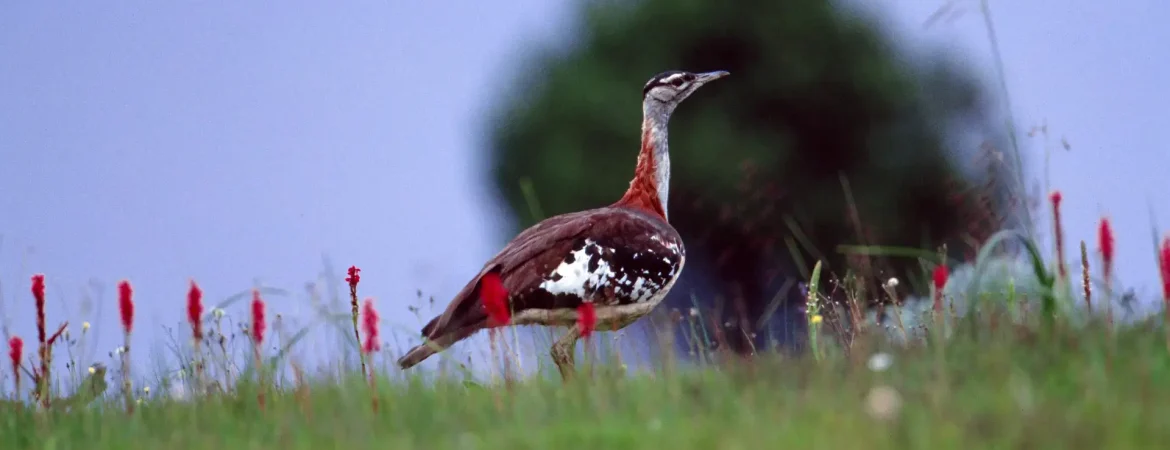
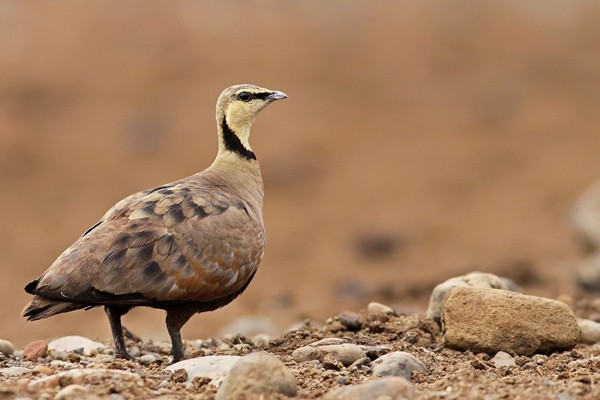
Kitulo national park is a paradise for birdwatchers, with over 400 species off birds recorded with its boundaries. Birdwatching takes place at Lake Dhambwe, the grasslands, and Nhumbe Valley. The ideal times for spotting these birds are early in the morning and during the evening. During game birdwatching tour, you’ll have the chance to spot bird such as Shelley’s Francolin, Grey-breasted Spurfowl, Mourning Collared Dove, African Green Pigeon, Blue-spotted Wood Dove, Yellow-throated Sandgrouse, Mozambique Nightjar, African Palm Swift, Coppery-tailed Coucal, African Emerald Cuckoo, African Black Coucal, Black Crake, Grey Crowned Crane, Black-bellied Bustard, White-bellied Go-away-bird, Bare-faced Go-away-bird, Ross’s Turaco, Marabou, European White Stork, Abdim’s Stork, Yellow-billed Stork, Great White Pelican, Hamerkop, Black-crowned Night Heron, Grey Heron, Cattle Egret, Great Egret, Long-tailed Cormorant and African Spoonbill among others.
Game drives
Visiting Kitulo National Park for game drives lets you see a wide variety of animals living freely in their natural surroundings. While the park is famous for its beautiful flowers, it also hosts many species of wildlife. You might catch sight of endangered antelopes like the Kudu and roan antelopes wandering through the grasslands. On your Tanzania safari, keep an eye out for other animals too, such as Cape buffalo, elephants, leopards, African wild dogs, and various reptiles. The park’s open plains provide great visibility to watch these animals as they go about their daily activities, especially in the early morning and late afternoon when they are most active. Taking part in guided game drives allows you to explore the park’s different landscapes, which boosts your chances of spotting the wildlife.
Walking safaris
Walking safaris in Kitulo National Park offer a special way to connect with nature, letting visitors fully experience the sights, sounds, and smells of the wilderness. These trips are led by knowledgeable local guides, providing a hands-on experience of the park’s rich ecosystems. While on a walking safari, you’ll get to see plants and animals up close, gaining insight into how they relate to one another and why conservation is vital. These adventures typically take place in the early morning or late afternoon and follow some of the best paths, such as a stroll through the grasslands or the Livingstone Forest, leading you to Matema Beach on Lake Nyasa. As you walk, you might spot various bird nests, observe different plant species, and catch glimpses of the wildlife that inhabit the park’s landscape.
Camping
Camping in a beautiful garden filled with flowers offers a unique experience. Most camping trips take place at the Mwakipembo Public Campsite, which has basic amenities like toilets, shaded areas, and fire pits. The Maua Special Campsite is situated in a natural setting that ensures a private feel for its visitors.
Botanical tours
For those with a keen interest in botany, guide botanical tours are available. These tours are led by experienced park guides who will share deeper insights of the park’s unique flora including the various Orchids species and other endemic plants. These tours are not educational but also offer a deeper appreciation of the park’s ecological significance. Wildflowers are most peculiar at the park during the rainy season from November