
Kabale Town : Telling the world about a hidden wonder located in Kigezi sub-region, southwestern part of Uganda, a country gifted by nature; here is Kabale town. The town is located near Katuna boarder of Republic of Rwanda, neighboring Ntungamo, Rukiga, Kisoro and Rukungiri districts. It is a vibrant town with stunning landscape, terraced hills, cool weather and vibrant nightlife.
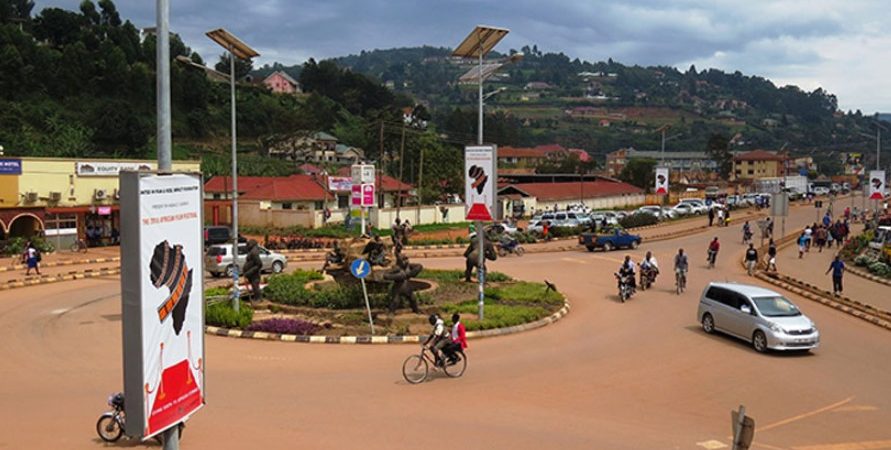
The town headquarters cover about 1,827 square kilometers of land with a variety of amazing infrastructure, flora and fauna and very warm people. The landscape of this area features rolling hills, steep valleys at an altitude of 1,200m and lush vegetation; thus winning the praise as the “Switzerland of Africa”.
Kabale town is approximately 143km from the largest city in the western region of Uganda; Mbarara city and about 410kms southwest of Kampala capital, oldest city in Uganda. On-road, the drive from Kampala lasts for roughly 9-11 hours via Masaka and Mbarara cities, but with captivating views of rolling hills and the equator.
In 1980, Kabale district was renamed from Kigezi district. In 1911, Yowana Kitagana, the first catholic missionary constructed mission place in the area and then in 1912 the first protectorate mission built the very first church. The name Kabale was picked from a local Rukiga dialect word Kabale translated as “small stone”.
It is a vibrant town, open for visitors from all over the world, for business, adventure or relaxation alike. There are lots more to see and do around this town and the district at large. Think of walking or having a ride around town, as you visit some of the landmarks, such as Kabale University; a government – owned University with some of the best academic facilities, science and technology and Kabale golf course.
Attractions and activities in Kabale district.
For your honeymoon, weekend escape, end of year party, summer or winter holiday; head to Kabale district for several activities, fun and adventure.
Lake Bunyonyi
Lake Bunyonyi is found in the south-western part of Uganda near the border with Rwanda in Kabale District. Lake Bunyonyi is one of the most naturally beautiful lakes in Africa and is one of the leading tourist destination in Uganda. The lake attracts tourists, honeymooners and Ugandans who wish to get away from the busy town life and enjoy the cool weather and beautiful islands. The lake offers great panoramic views from all sides and is a great place to go for meditation and relaxation. The Lake is collection of water that filled a valley created by a volcanic explosion hundreds of thousands of years ago.

The name Bunyonyi means “a place with little bird” in reference to the fact that the lake and its islands are home to an amazing collection of bird species. It is one of the deepest lakes in Africa. Lake Bunyonyi area has a generally cool climate throughout the year with enough rain that support the lush green hills surrounding the lake. It is the perfect place for relaxation after visiting Uganda’s great national parks like Bwindi and Queen Elizabeth national park.
Lake Bunyonyi is made up twenty nine islands among which include Bushara, Njuyeera, Bwama and the infamous Punishment Island (Akampene). Among the Bakiga in the area, any girl who got pregnant before marriage was taken and abandoned in Akampene Island to die of hunger or drowning (girls were not taught how to swim). Getting pregnant was an abomination then because no one would pay bird price for a girl who had gotten pregnant before marriage. The intention of leaving the girl to die in the island was to send a strong message to the rest that getting pregnant before marriage was unacceptable. Nothing would be done to the man who made the girl pregnant. The girl couldn’t identify the man who impregnated her for fear of being left to die. Some of the girls were rescued by the men who had made them pregnant, those who had a secret crush on them or poor bachelors who couldn’t afford bride price. This primitive practice was abandoned by the late 1940’s after the British colonial government outlawed it. A few of the survivors who were rescued and survived the ordeal still live today.
Bwama Island also hides a dark past. When the English missionary Leopard sharp came to Uganda in 1921, he noticed that Bwama Island was uninhabited. He turned the island into a center for treating leprosy patients by providing housing and medical facilities. Sharp stayed in nearby Njuyeera Island with his family. Bwama Island became a leprosy colony attracting many sufferers who had faced isolation in their communities. Bushara Island on the other hands has had an easier past although the original beautiful trees in the area were wiped away by locals to clear ground for agriculture. The Lake Bunyonyi Development Company has helped plant a large eucalyptus forest while also running several tourism related activities in the island. The Company has built accommodation facilities and turned the island into a dream holiday destination.
Recording economic activities, everything seems to begin and end at the major trading center in Bufuka Village. The major economic activities in the Lake are subsistence fishing and farming. Large scale fishing has been limited because of the deep waters which do not allow the major species like Tilapia and Nile Perch to thrive. These species need shallow waters for breeding. The most successful species are the Cray fish (introduced from the US) and mudfish. Various attempts have been made to introduce the other major species right from the colonial but with little success. At one time 80 percent of the introduced species died because of a chemical mixing caused by flooding.
Kisiizi waterfalls.
Kisiizi waterfalls is located at Kyabamba River, in the village of Kisiizi amidst Kigezi highlands, this is a historical place offering unmatched scenery and relaxation spot. The Bakiga people occupy the community in it.
Gorilla and golden monkey trekking experiences.
This is a prime safari activity in Uganda and Kabale district. Gorillas are found in Bwindi Impenetrable and Mgahinga Gorilla National Parks, located at the foothills of the vast Virunga chain of Mountains. The two parks are open for visitors all year round, with the best months being June to September and December to March. Ruhija and Nyakagezi sectors are the closest sectors for gorilla trekking while staying in Kabale town
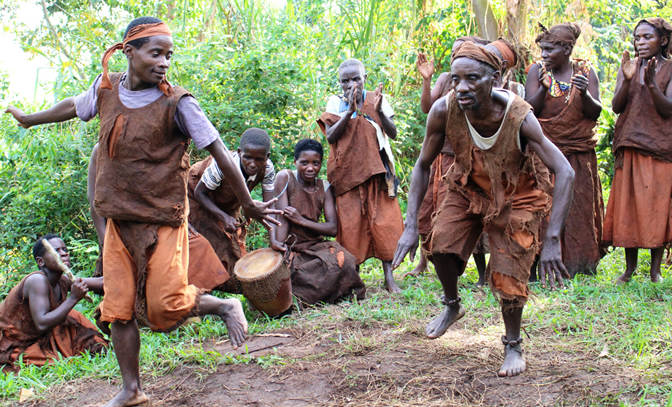
Batwa pygmies’ cultural adventure
Set feet to the Batwa community and interact with some of the shortest people on earth whose identity is attached to wondering and gathering in one of the oldest and most diverse misty tropical forests in the continent of Africa.
Accommodation facilities in Kabale town.
No need of getting stuck once in Kabale town because you can pick from any of the budgets, luxury or midrange hotels, Inns or safari lodges available. Some of the notable ones include; Paradise Eco-Hub, Crater Bay cottages, supreme Adventure Park Bunyonyi, Jowillis hotel, Bunyonyi Eco-resort, Bunyonyi Safaris Resort, Birdnest Resort and Arcadia cottages.