
Nsenene, also known as grasshoppers, are a popular edible insect in many African countries mostly in Uganda. They are seasonal usually only in season during the rains in November when they are abundant.
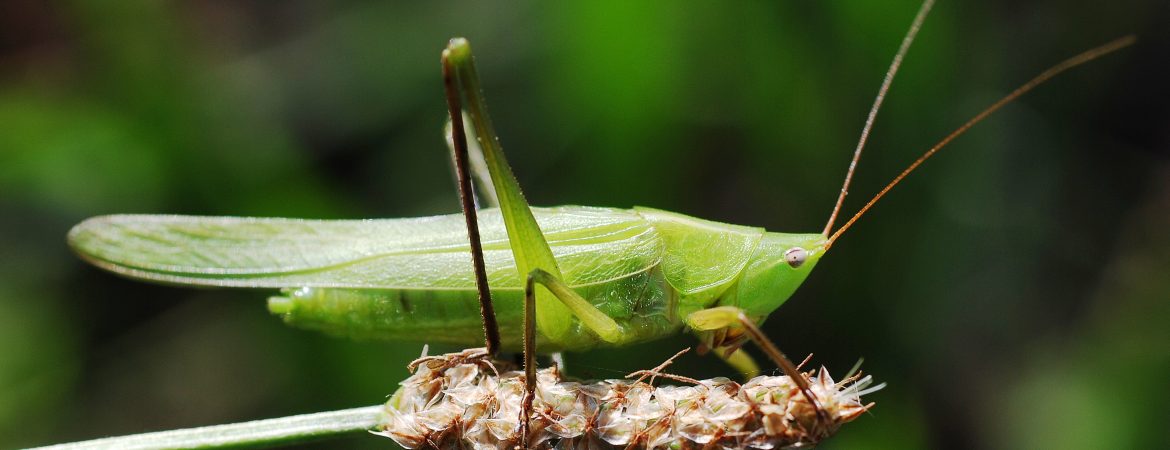
When you visit Uganda in late September, November and early December, you will surely encounter nsenene in Uganda. And if you are daring you will be moved to try them or at least get them on your plate.
In fact, during the nsenene season, we assure you that you will not move so far, until you find a community selling the nsenene or vendors hawking the nsenene. These creatures are available raw, dried or roasted. Whatever your taste, you will have the grasshoppers (nsenene) available to you.
Nsenene are popular in Uganda because: –
- They are a traditional food source: Nsenene have been a part of Ugandan cuisine for centuries, particularly among the Baganda and Basoga tribes.
- They are a cultural heritage: Eating Nsenene is a cultural tradition passed down from generation to generation.
- Nsenene are a nutrient-rich food source, providing, High-quality protein: Nsenene contain up to 70% protein, making them an excellent source of protein for humans
- Nsenene are rich in micronutrients like:
– Iron: essential for healthy red blood cells
– Zinc: important for immune function and wound healing
– Calcium: crucial for bone health
– Potassium: helps regulate blood pressure
- Fiber: Nsenene contain dietary fiber, which can help promote digestive health and satiety.
- Healthy fats: Nsenene contain healthy fats like omega-3 and omega-6 fatty acids, which support heart health and brain function.
- Low in calories: Nsenene are relatively low in calories, making them a nutritious snack for those watching their weight.
This nutritional value may vary depending on the cooking method, seasonality, and other factors.
Nsenene are abundant during the rainy season, overflowing during the November rains and making them easily available. Nsenene are also an affordable snack, making them accessible to people from all walks of life.
Nsenene have a crunchy texture that many eaters enjoy. They have a savory flavor that is often enhanced by frying or roasting.
Eating Nsenene is often a social activity, with friends and family gathering to share a plate of fried or roasted Nsenene. The tradition of eating Nsenene helps to strengthen community bonds and promote social cohesion.
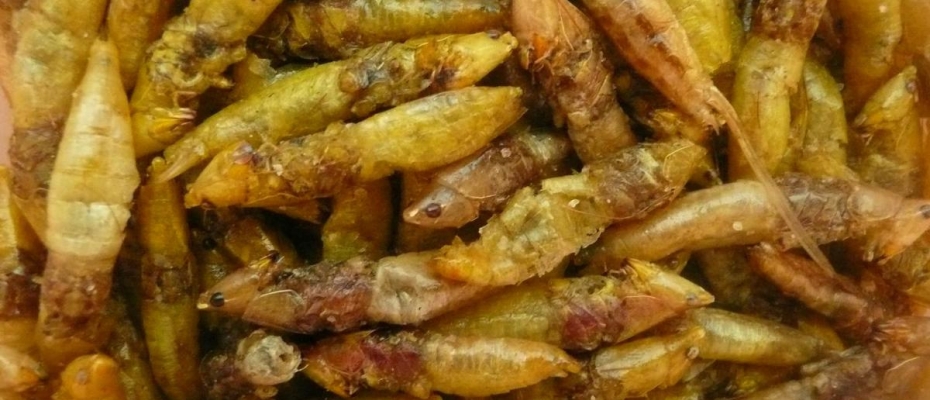
Overall, Nsenene are a popular snack in Uganda due to their cultural significance, nutritional value, availability, affordability, taste, and social bonding aspects.
Nsenene (grasshoppers) can be farmed sustainably. In fact, insect farming, including grasshopper farming, is considered a sustainable and environmentally friendly way to produce protein.
Grasshopper farming can create employment opportunities for rural communities. Grasshopper farming can also contribute to food security by providing a nutritious and sustainable protein source. Grasshoppers can be sold as a high-value product, generating significant revenue for farmers.