
Rain Turns Kampala Downtown into a Nightmare for Traders
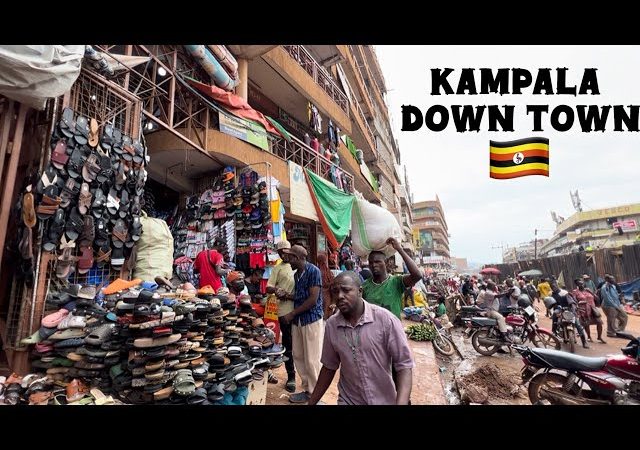
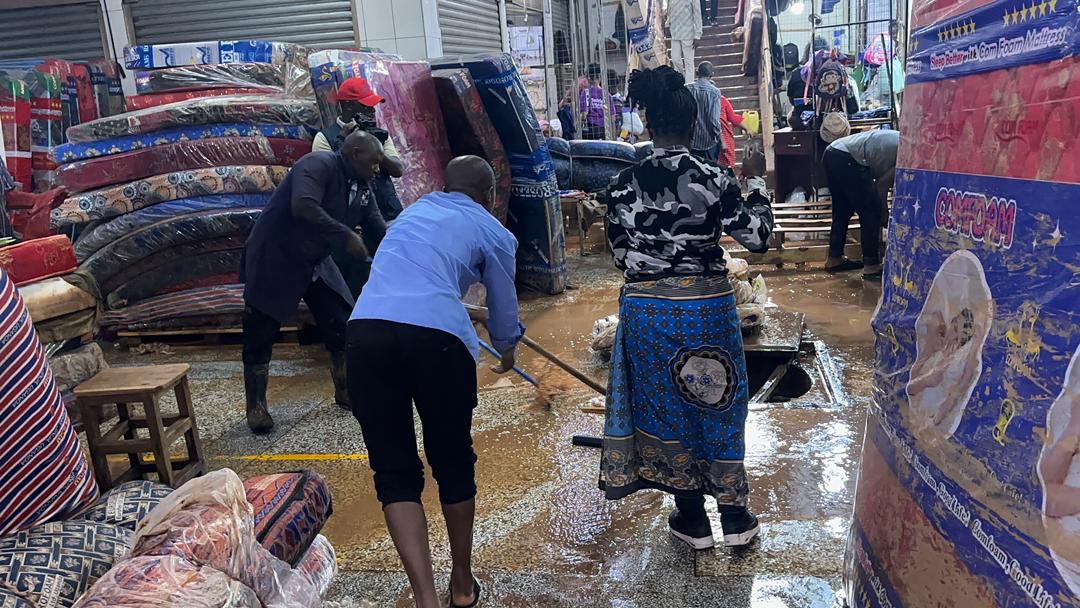
In Kampala, Uganda, the rainy season is a familiar occurrence; however, this year’s torrential rain has created a crisis for traders in the busy downtown markets. The flooded roads and blocked paths force businesses to scramble to salvage as much of their stock as they can.
Local businesses will feel the quickest impact, but the effects will also rack through Uganda’s tourism sector—traveling through the buzz and accessibility of Kampala to attract international visitors.
The Plight of Downtown Traders.
Kampala’s informal sector is a crucial aspect of Kampala’s economy. Street vendors and traders in Kampala rely on foot traffic to cover their expenses. From fresh produce to secondhand clothes, Kampala’s open-air markets, like Nakasero, Kisekka, and Owino, are an attraction for visitors. Due to the wet seasonal rains, we now find ourselves inundated with muddy messy craziness and frustrated vendors seeking shelter while trying to shield their goods during downpours.
For traders, rain becomes much more than a nuisance. When it dries produce, especially food items (such as fruits, vegetables, and fish), significant financial loss occurs from the deterioration of items or loss of customers when the streets are flooded with water. In fact, most traders cannot move these items to higher ground or adequately cover them even if they have plastic tarps, in part because many simply lose all of their food. It can be even worse when the flooding of streets leaves customers unable to get to the market and the traffic is potentially ground to a halt, which is exacerbated by rain and customers just staying home. These market dynamics all result in continued economic devastation.
“I lose part of my income whenever it rains,” says Grace Nakitende, a vegetable vendor in Kisekka Market. “The stalls are flooded with water and the customers are at home. You can’t work.”
This leads traders to wonder how much longer they will be able to conduct business without more consecutive seasonal rains and improved infrastructure.
Consequences for Uganda tourism
Kampala, located in Uganda and one of the key tourist experiences, has everything: wonderful cultural heritage, bustling markets and a vibrant city feel. Kampala is indeed an attraction for tourists wanting to experience Uganda’s city life before heading off to a safari or other tourist experiences away from the city.
Travelers are encountering barriers to being able to explore the city during the wet season after coming to Kampala for the bazaars, the Uganda Museum, the Kasubi Tombs, or simply a good meal. Travelers traveling to Kampala are experiencing missed opportunities due to flooded streets and congested streets, and many visitors have shortened their stay or simply moved to another location.
The tourism industry in Kampala is quite dependent on urban attractions and facilities. Markets in the city take center stage in tourism because they yield unique crafts and local foods and a feeling of what daily life is like for tourists. Yet when market flooding due to rains creates impassable streets, tourists have fewer options available. The rain also reduces foot traffic in hotels and restaurants that rely on tourism.
Tourism and Trade: Interdependent Sectors in Danger
The position in Kampala shows how closely linked Uganda’s informal trade sector and tourism are to each other. The traders count on tourism to make a large part of their income, especially people located at Nakasero Market, where international tourists make up a lot of their customers. As the weather affects local trade and tourism, the impact is felt throughout the economy.
For a number of businesses along the Uganda safari value chain, the rainy season poses a paradox. Traders lose customers due to rain, and tourism spending declines because tourists choose another destination because they can depend on the good weather there. Experts in tourism noted Uganda’s success in retaining its growth in tourism relies on making Kampala not only a destination but also an easy, friendly, walkable place to visit. “Kampala is a walking city but unfortunately the rain has impacted the tourism industry. What a shame because Kampala has so much to offer, but with the infrastructure being weak, tourists are not able to enjoy what the city offers when the rains come,” says Richard Kato, a local tour operator.
Strain on Infrastructure: A Hindrance for Traders and Tourists
Kampala faces one major problem: Kampala’s infrastructure is outdated. The drainage system cannot handle the normal heavy rains, which lead to flash floods and with already congested roads, the flooded streets make things worse. In some cases, there is no traffic movement at all due to flooded roads. Locals and tourists alike suffer from not being able to navigate through Kampala to popular attractions.
Drainage problems not only obstruct access to Ugandan tourism attractions, such as The Uganda Museum and The National Theatre, but the main access roads into those sites usually flood during the rain. “Our city is unprepared for the rains,” says urban planning expert Bernard Ssali. “Changing the infrastructure, especially drainage, will be essential for the needs of a growing population because the weather is changing both the tourism economy and the wider local economy.”
Long-Term Solutions: Is there a way to make Kampala resilient to these changes?
Rainy season disruptions in Kampala are going to require both immediate and long-term solutions.
To begin with, Kampala has a significant lack of infrastructure improvements beyond road drainage. If the city of Kampala invested in better drainage and road improvements, it would potentially help the city cope with heavier rains that have become almost the norm of urban life. It would make traders and tourists have a more predictable inclement weather experience.
The sector of tourism might expand opportunities by developing alternative experiences for visitors that are indoors and/or weatherproof, just like other cities have done. Examples of indoor alternative experiences might be indoor cultural performances, indoor cooking classes, or a virtual tour that can be an option because it is raining outside.
A better public transport system in the city would also provide tourists with easy access to enjoy Kampala, regardless of the weather or rainy season.
“Kampala can still be a vibrant tourism town, but it is going to take substantial investment in infrastructural changes and/or alternative tourism products that operate despite poor weather,” said Janet Nabirye a tourism advocate and a member of the Kampala City Traders Association (KACITA).
Conclusion: Resilience in Times of Disadvantage – Rain Turns Kampala Downtown into a Nightmare for Traders
The present plight of Kampala’s traders attributable to the rains raises yet another flag on Kampala’s infrastructure problems. The rainfall is not just a seasonal inconvenience for local traders and Uganda’s tourism sector; it clearly indicates the need for further planning and investment in urban infrastructure.