
The Bakiga tribe : The Bakiga people also known as Abakiga and they are ethnic group of Bantu tribe that live in southern part of Uganda and the language they speak is Rukiga.and they are believed to have migrated from Rwanda and settled in in the fertile hills of kigezi, the Bakiga are one of the people who managed to preserve their culture despite external influences. The Bakiga people are found in the districts of kabare, Rukungiri, Kasese, and Ibanda district
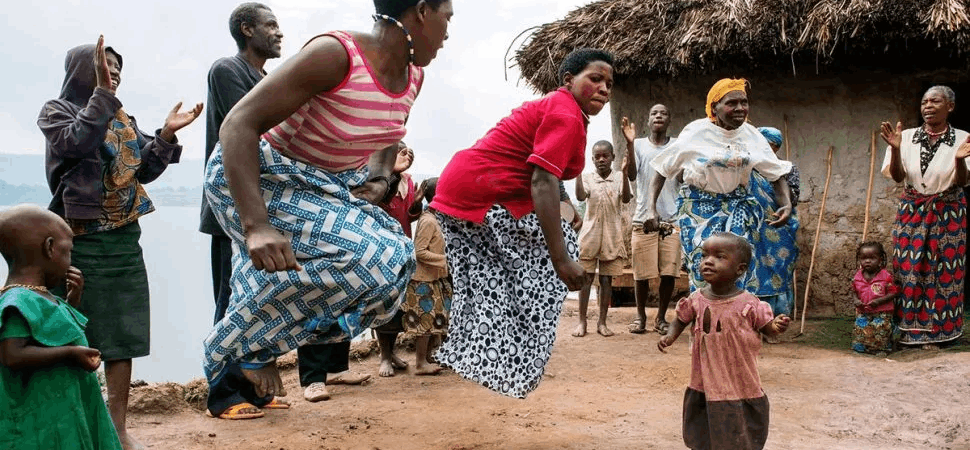
Culture and religion the Bakiga have rich cultural heritage that is expressed through their languages, music, dance, and art and their language is closely related to the other Bantu languages like Runyankore, Rutooro, and many more Rukiga is an official language in kigezi region and also spoken by the neighbouring districts.
Dance and Music
The Bakiga people have a royal dance which is usually performed in cold seasons and during the ceremonies. Consequently, this extremely spirited dance symbolises their leaping and stamping and it is intended to show off their strength because while performing a lot of energy is always used and the Bakiga people are still known as one of the good people who are good at playing local music instruments like zither Enaanga.
Traditional life of Bakiga
Bakiga people were highly segmented people who came to kabare in southwestern Uganda. Mainly agriculturalists, and kept significantly less livestock that other than pastoralist groups in neighbouring tribes.
Social structure of Bakiga
There are several Bakiga clans, the largest was the Basigi clan, and every clan consisted of several lines with every clan having the leader and being the leader of every lineage, it was forbidden one to marry in his very clan because they were considered as the relatives.
Belief Religious
The Bakiga people believe in the supreme God known as Ruhanga but also other Bakiga believe in small gods that they take to be their Godlike trees and they are locally called Emandwa and they also perform rituals like sacrifices.
Marriage traditions of the Bakiga
Bakiga people no marriage could not be honoured without the payment of bride wealth; the final arrangements could only be made after the payment of the bride wealth. The bride price was always paid by the boy’s side and it involved cows and goats, it was a taboo to eat or sell the bride price. The Bakiga are very polygamous people they are known for marry many wives and what would limit them was land, the bride price was always shared among the close relatives the uncles who are maternal.
Divorce
Divorce was common and it is still common among the Bakiga people, which is caused by barrenness and laziness on either the husband or wife. After divorce has happened parents for the both sides were always called that see what could prevent divorce and advise the couple accordingly.
Religion
Bakiga believe in supreme God locally known as Ruhanga, though some other group of believe in Nyabingi who originated from karagwe and some used to the shrines where they would worship from.
Economy
The Bakiga were basically agriculturalists growing sorghum and sweet potatoes millet. Bakiga people communally worked, and most activities were always done as the community.
The dressing of Bakiga
In the past the Bakiga people would dress in one or two cow hides and the skin would cover the private parts for men, women used to dress in suit locally known as Okwezirika that would make a woman to be respected in the community.
Housing of the Bakiga
A traditional homestead as a main house or the huts, granaries all those were found in one gate and they used to leave as family not by one by one which makes their tribe unique.
Judicial systems of the Bakiga tribe
The Bakiga abhorred anti social activities and anyone was caught doing some thing wrong was always heavily punished, like stealing, blocking people’s path, murder, and for the murder case one was buried alive in same grave with the victim. If unmarried girl got pregnant before marriage, she would be taken to the forest or tied on a tree as a punishment and most girls who got pregnant were always taken to kisizi falls and thrown down the cliff. They would drown in the falls, though the lucky ones were disowned and just being cursed by their parents.
In heritance
The male children in Bakiga are the ones who used to divide their father’s wealth and the wealth was always divided by the first born with the help of the relatives, girls were given some little share of the land which acted as an asset start up especially for the married ones.
In conclusion Bakiga are tough people but not rough, they do not tolerate nonsense. Be straight with them you will get along with them well, do not try to paly with their intelligence or emotions or else they will deal with you in a hard way, greet them when you meet them and associate with them like normal human beings, they are normal people despite the challenges they face and they are friendly. Visiting the Bakiga people will leave you with a great memory.