
TOORO KINGDOM
Tooro Kingdom : Located in the Western part of the Africa’s Pearl, Tooro is the smallest of the four kingdoms in Uganda; Buganda, Basoga and Bunyoro. The people of this kingdom are called the Batooro who are Lutooro speakers. It is covers Kasese and Kabarole Districts. However, on top of the Batooro, the area is infiltrated by many migrants from other parts of western Uganda, particularly the Bakiga. To their east live Banyoro; to their north are the Bamba and Bakonjo; to their southeast and west live Banyankole and to their east live the Baganda. The Batooro are Bantu speaking. Their language is Rutooro.

It evolved as a breakaway portion of Bunyoro Kingdom before the nineteeth century.
It was formed when Omukama Kaboyo Olimi I seceded and established his own kingdom. He was the eldest son of Omukama of Bunyoro Nyamutukura Kyebambe III of Bunyoro.

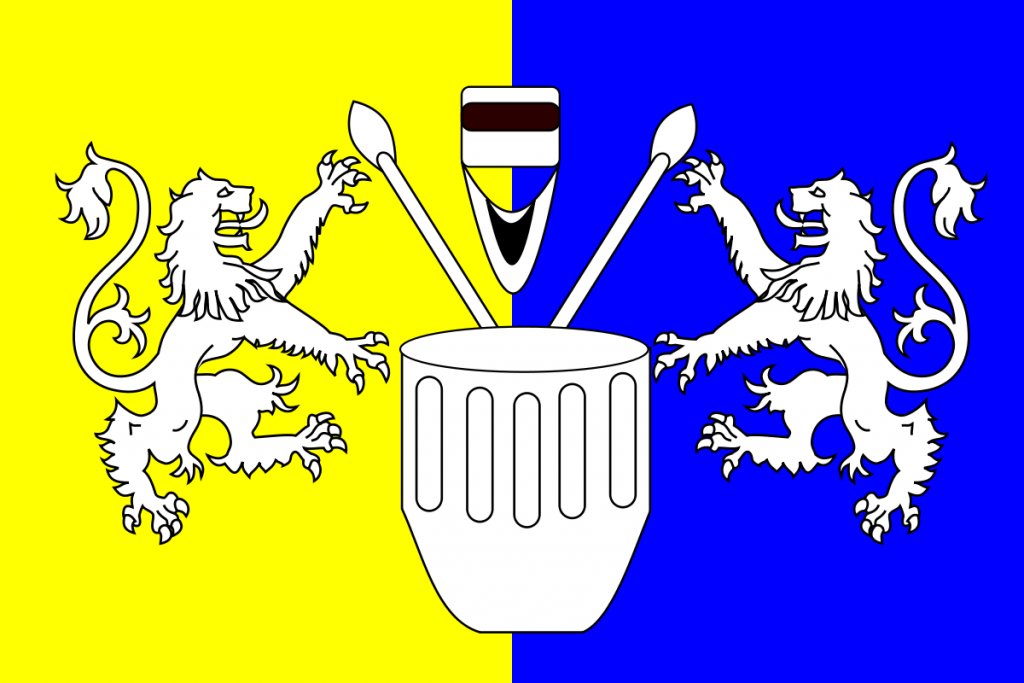
Tooro was a part of the large empire of Kitara, under the reign of the Babiito dynasty, which dates back to the sixteenth century. As with the other kingdoms in Uganda, the Tooro monarchy was abolished in 1967 by the Government of Uganda but was reinstated in 1993.
There have been 13 lineages of kings since his time, the current Omukama of Tooro, His Majesty Oyo Nyimba Kabamba Rukidi IV being the thirteenth highness. The lineage is as follows; Olimi of 1822-1865, Rihanna of 1865-1866, Nyaika Kyebambe of 1866-1871 and 1871 to 1872, Rukidi I of 1871 to 1871, Olimi of 1872- 1875, Rububi Kyebambe II of 1875 and 1877-1879, Kakende Nyamunyonjo of 1875-1876 and 1879 to 1880, Katera of 1876-1877, then the interregnum followed, reverted to Bunyoro from 1880 to 1891, Kyebambe III of 1891 to 1928, Rukidi III of 1929-1965, Olimi III of 1965 to 1995, once again, interrupted by the interregnum from 1967-1993 and lastly the current King, Rukidi IV from 1995 to date.
The first palace of Tooro was constructed in Kasese and later shifted to its current location, Rwengoma Palace in Kyenjojo District, Fort Portal. Places to visit in Tooro, near Fort Portal Town include; Kibale forest national park, Tooro ‘Omukama’ Palace,1993.The Amabere ga Nyina Mwiru Caves, Lake Kyaninga, Botanical Gardens, Bigido Wetland Sanctuary and Tooro Semiliki Wildlife Reserve, to mention but a few.
The Tooro culture is so rich that it could be referred to as Uganda’s Egypt. It ranges from the economic activites, that is cattle keeping for milk, meat, dowry and prestige, of course, as well as crop growing- millet, sorghum and yams among others, to the traditional marriage ceremonies (in which unlike their subjects, the royals are allowed to marry from the same clan in order to maintain pure royal blood flow in all lineages and for a Mutooro man to be considered complete, he had to be married) cultural dances and the processes involved in the coronation and Impaako naming (giving pet names) ceremonies.
There is even an Impaako monument on which is engraved the twelve pet names and twelve bottles arranged circularly, representing those names. They were apparently used by the Luo during their stay there. It is said that writings of those pet names were found in the caves, so the Batooro embraced them in honour of their forefathers. They include; Okaali- which is specially reserved for the king, Apuuli, Apaaali, Acaali, Adyeri, Abbooki, Abwoli, Amooti, Ateenyi, Atwoki, Akiiki and Bbala,
of which men strictly use five. There are seventy clans in Tooro, however, only 20 actively participate in the activities of the kingdom. Such clans together with their respective totems include; Abamooli- Engabi, Abagabu-Enkira, Bayanja-Engabi, Abacwa-Engabi, Abarungu-Entajumba, Abaranzi-Engogo, Abasumbi-Entimba, Abeeri-Engeye, Abayaga-Engaju, Abazira-Emamba, among others.